Renting a dumpster involves more than just choosing a service provider and organizing a delivery. To guarantee a seamless and affordable experience, it's necessary to precisely evaluate your waste generation, select the right dumpster size, and select a reputable provider You must likewise familiarize yourself with neighborhood regulations, prepare the site for delivery, and comprehend exactly how to load the dumpster safely and effectively. In addition, dealing with hazardous materials, taking care of expenses and costs, and following post-rental procedures are vital actions to take into account. By complying with these steps, you'll be well-appointed to tackle your task's waste management demands and uncover even more understandings to optimize your dumpster rental experience.
Determine Your Dumpster Needs
Typically, house owners and service providers underestimate the amount of waste generated by their projects, resulting in expensive and bothersome dumpster swaps This error can be avoided by accurately determining the dumpster requirements of your project.
Start by thinking about the type of project you're embarking on. Are you renovating a shower room, destroying a deck, or clearing out a hoarded home? Each task generates various kinds of waste, and comprehending what you'll be getting rid of is essential.
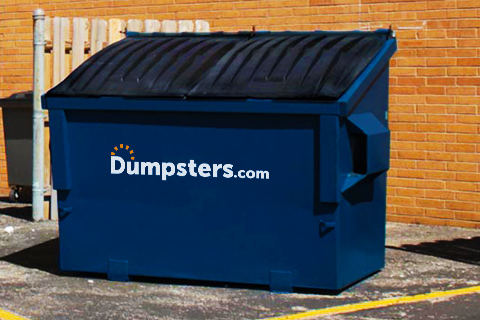
Next, estimate the volume of waste you anticipate to generate. Step the area to be gotten rid of or destroyed, and research the ordinary waste outcome for similar projects. In addition, consider the weight and density of the materials you'll be getting rid of, as this can affect the dumpster's capacity.
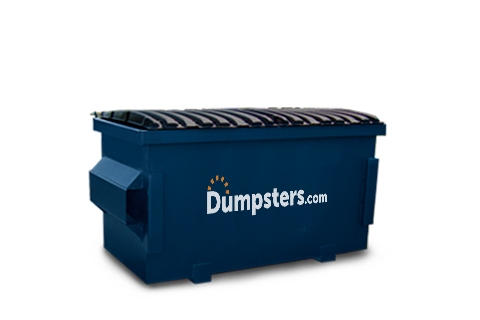
Choose the Right Dumpster Size
Selecting the ideal dumpster size is a critical action in the rental process, as it directly impacts the efficiency and cost-effectiveness of your project. A dumpster that is as well tiny may lead to extra rental costs, while one that is too big might result in wasted area and resources.
To figure out the right size, take into consideration the kind and quantity of waste you expect to generate. For small projects, such as small restorations or backyard cleanings, a 10- or 15-yard dumpster might be enough. Medium-sized projects, like cooking area remodels or deck replacements, typically require 20- or 30-yard dumpsters. Large-scale projects, such as construction or demolition, may necessitate 40-yard dumpsters or larger.
Additionally, think about the weight ability and product type Heavier products like concrete or asphalt need larger dumpsters, while lighter materials like branches or leaves can be accommodated in smaller ones.
Select a Credible Dumpster Provider
With your dumpster size established, the following crucial step is to determine a reliable and trustworthy dumpster company that can provide the right devices to sustain your job's needs.
This essential decision will certainly affect the success of your project, assuring timely and reliable waste management Study regional carriers, inspecting their online reputation online with customer reviews, rankings, and testimonials.
Look for firms with a proven track record of supplying dumpsters on time, supplying excellent client service, and supplying flexible rental periods Validate their licenses, accreditations, and insurance coverage to confirm conformity with neighborhood regulations.
Compare prices and solutions among companies, thinking about variables such as dumpster dimensions, types, and additional features like same-day delivery or flexible payment options.
A respectable carrier will certainly function carefully with you to recognize your job's unique requirements, supplying support on dumpster positioning, loading, and disposal.
Check Neighborhood Dumpster Regulations
Before renting a dumpster, it's necessary to familiarize yourself with local guidelines governing dumpster use, as these regulations can vary significantly from one territory to another.
Understanding these laws can help you avoid penalties, penalties, and other issues that may develop from non-compliance.
Some essential regulations to consider include:
- Permit requirements: Examine if you need a permit to position a dumpster on your property or in a specific location. Dumpster size and positioning restrictions: Familiarize on your own with local regulations regarding the dimension and positioning of dumpsters, including any type of limitations on where they can be placed. Prohibited materials: Recognize what products are not permitted to be thrown away in a dumpster, such as contaminated materials or electronics.
Set a Shipment and Pick-up Schedule
Having guaranteed compliance with local guidelines, focus turns to the logistics of dumpster rental This entails setting a delivery and pick-up schedule that suits your needs and assures a seamless experience.
When establishing the timetable, take into consideration the duration of your project and the amount of waste you anticipate to produce. This will help you figure out the length of time you'll require the dumpster and when it ought to be gotten. Make sure to supply the rental company with a specific distribution date and time, along with a favored pickup date.
If you need the dumpster for an extensive duration, you might be able to negotiate an affordable rate In addition, some business offer flexible scheduling, permitting you to readjust the pickup date if your project takes longer than expected.
Clear communication with the rental business is essential to assuring a worry-free experience. By establishing a practical timetable, you can prevent unnecessary delays and concentrate on finishing your project efficiently.
Prepare the Dumpster Delivery Site
The dumpster distribution site must be easily accessible and clear of obstacles to assure a smooth shipment process This guarantees that the dumpster can be provided safely and efficiently, without any damage to the surrounding location or the dumpster itself.
To prepare the website, consider the following:
- Clear the area of any kind of obstacles, such as vehicles, trees, or power lines, to offer a clear path for the dumpster delivery truck. Ascertain the surface is degree and firm, as an uneven surface can trigger the dumpster to change or topple during delivery. Remove any type of overhead obstacles, such as low-hanging branches or cords, to allow for risk-free and unblocked delivery.
Fill the Dumpster Safely and Efficiently
Filling the dumpster securely and efficiently needs careful planning and interest to information. Make sure you have a clear understanding of the dumpster's weight capacity and fill line to stay clear of overloading.
Start by positioning heavier, bulkier items at the bottom, adhered to by lighter materials. This avoids damages to the dumpster and makes the most of the offered room. Break down huge items, such as furniture, right into smaller items to take full advantage of capacity.
Keep the dumpster organized by separating materials right into classifications, like construction waste, house trash, and recyclables. This simplifies the disposal process and helps reduce waste.
Avoid filling up the dumpster too expensive, as this can lead to debris spilling onto the https://honey-injure.uncrn.co/blog/trainee-life-simplified-renting-dumpsters-for-dormitory-cleanouts/ bordering area during transportation.
Handle Banned or Harmful Items
We must exercise caution when taking care of prohibited or harmful items throughout the dumpster rental procedure. These things can posture serious risks to the atmosphere, human wellness, and even the dumpster itself.
Improper disposal of hazardous waste can lead to penalties, fines, and damage to the environment.
Some common banned or dangerous items include:
- Batteries, electronic devices, and home appliances that contain hazardous products like lead, mercury, or cadmium Chemicals, gas, and solvents that are flammable, corrosive, or toxic Medical waste, including needles, syringes, and various other biohazardous materials
It's vital to contact your dumpster rental company for their specific guidelines on prohibited or hazardous things. They may have special procedures or different containers for handling these materials.
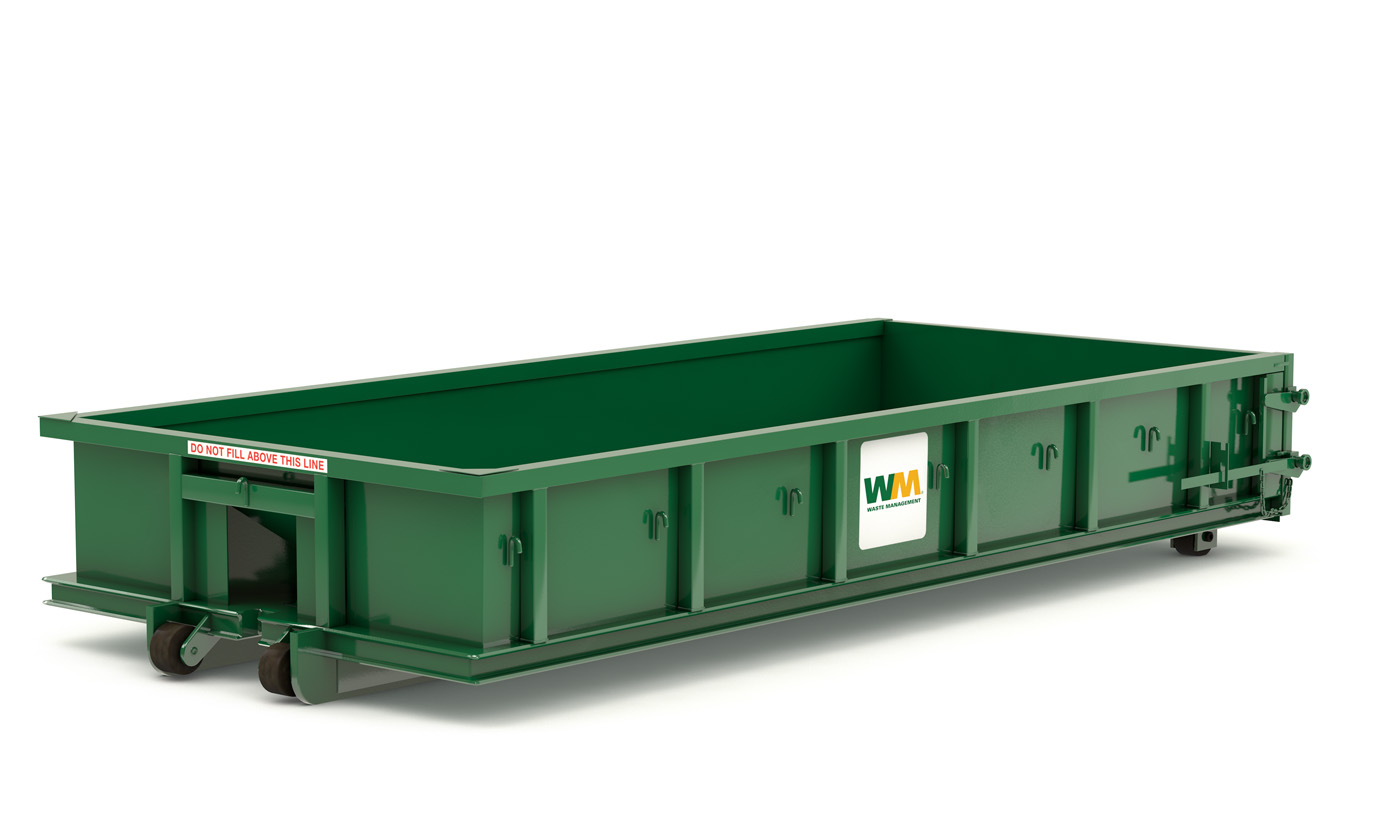
Always err on the side of care and stay clear of throwing away any product that can potentially hurt people or the setting. By being mindful of these constraints, you can assure a safe and responsible dumpster rental experience.
Manage Dumpster Rental Costs and Fees
Renting a dumpster can be an affordable waste monitoring option, yet it's important to comprehend the various expenses and fees connected with the procedure to prevent surprise charges.
The total expense of dumpster rental commonly includes the base rental fee, shipment and pickup costs, and any additional services like dumpster evaluating or disposal costs. Make certain to inquire about any potential extra charges for things like fuel surcharges, late fees, or obese dumpster fees.
It's also vital to clarify what is consisted of in the base rental charge, as some firms may charge extra for solutions like dumpster delivery, pick-up, or disposal.
Make certain to obtain a clear failure of all costs and costs before settling your rental contract. This will assist you budget as necessary and stay clear of any unexpected expenses
Follow Post-Rental Procedures
After the dumpster rental duration has actually ended, it's important to comply with post-rental procedures to validate a seamless experience and avoid any type of prospective issues.
To verify a smooth procedure, comply with these actions:
- Review the rental agreement to recognize your responsibilities and obligations. Verify that the dumpster has been cleared and gotten rid of from your property. Inspect your property for any type of damage or particles left by the dumpster or the rental company.