When it concerns dumpster rentals, success depends on careful planning and interest to information. Begin by recognizing local regulations, choosing the ideal dumpster dimension, and picking a reputable rental company Understand what can and can not be gotten rid of, and plan for efficient waste disposal Don't fail to remember to secure necessary authorizations and licenses, and take care of dumpster positioning logistics to avoid hidden charges and costs. By following these vital ideas, you'll be well on your way to a seamless and affordable dumpster rental experience; now, take the following action to ensure your job goes off without a hitch.
Understanding Neighborhood Regulations
When it concerns dumpster rentals, navigating local regulations can be a significant hurdle. Recognizing what is enabled and what is not in your area is necessary to preventing costly penalties and ensuring a smooth rental experience. Each city or community has its own collection of rules and laws regulating dumpster placement, permits, and waste disposal
Before leasing a dumpster, study the details regulations in your area. Check with your city government or public jobs department to establish if you need a license to position a dumpster on your property.
Some areas might have restrictions on the size or kind of dumpster you can use, or may need you to comply with certain guidelines for garbage disposal. Additionally, understand any kind of noise or time restrictions that might impact your dumpster rental.
Choosing the Right Dumpster Size
A construction website's worth of debris can collect rapidly, making it crucial to choose a dumpster size that can manage the volume of waste Falling short to do so can result in expensive overflows, job delays, and safety and security hazards.
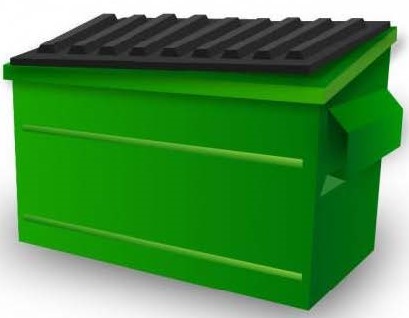

To stay clear of these concerns, take into consideration the type and quantity of waste you'll be creating. For small-scale projects, such as restroom renovations or minor cleanups, a 10-15 backyard dumpster may suffice. Larger projects, like full-blown remodels or brand-new building, may require 20-30 backyard and even 40 lawn dumpsters.
When approximating your waste quantity, think about the weight and bulk of materials like concrete, asphalt, or roof covering materials. It's better to err on the side of caution and choose a larger dumpster than to take the chance of running out of space mid-project.
Additionally, bear in mind any local regulations or neighborhood restrictions that may impact your dumpster dimension selection. By picking the appropriate dumpster size, you'll ensure a smoother, a lot more reliable project that stays on track and on budget.
Selecting a Respectable Rental Company
With the best dumpster size in place, interest turns to locating a rental company that can provide on its pledges. A reliable rental business is vital to an effective dumpster rental experience.
Research is vital to making a notified choice. Begin by asking friends, household, or next-door neighbors who have rented dumpsters in the past for recommendations. Online reviews and scores can also provide beneficial understandings right into a business's dependability and client service.
When assessing possible rental companies, consider their experience, licenses, and insurance coverage. Verify they have the required permits to operate in your location and can supply proof of responsibility insurance.
A respectable firm will additionally have a clear and clear pricing structure, without hidden charges or surprises. Additionally, try to find firms that use flexible rental periods and a selection of dumpster sizes to accommodate your details needs.
Knowing What Can Be Thrown Away
Understanding what can be thrown away in a dumpster rental is essential to prevent any type of potential concerns or additional fees. Understanding what can and can not be thrown out in a dumpster leasing is essential to assure a smooth and hassle-free experience.
Most dumpster rental companies enable household trash, building particles, and backyard waste to be thrown out. However, hazardous materials such as batteries, electronics, and chemicals are usually prohibited.
Additionally, some firms may have specific guidelines for products like tires, home appliances, and furnishings. It is necessary to examine the rental company's standards before filling up the dumpster to stay clear of any type of surprises.
Some products, like bed mattress and box springtimes, might call for special handling and disposal, which can lead to extra charges. By understanding what can be thrown away, you can plan accordingly and avoid any kind of unexpected costs or complications.
Dealing With Permits and Licenses
Compliance with regional regulations is a critical aspect of dumpster service, and getting the necessary permits and licenses is a necessary action in the process.
Failure to do so can result in penalties, fines, and even job hold-ups. It's vital to look into the specific policies in your area, as they vary from city to city and even in between neighborhoods.
Typically, licenses are required for dumpsters positioned on public residential or commercial property, such as streets or sidewalks.
However, some locations may likewise need authorizations for dumpsters on personal property. Make certain to get in touch with your city government to determine the particular demands for your project.
Additionally, some dumpster rental business may acquire the essential authorizations in your place, so be sure to inquire about their permitting process when picking a provider.
Managing Dumpster Placement Logistics
Efficiency is essential when it pertains to handling dumpster positioning logistics, as a well-planned release can make all the distinction in the success of your project. A thoughtful approach to dumpster placement guarantees that your waste monitoring needs are fulfilled, and your project remains on track.
When planning dumpster logistics, think about the size and kind of dumpster you need, taking into account the amount and sort of waste you'll be generating. Verify the picked dumpster fits pleasantly in the assigned area, leaving sufficient room for easy accessibility and appropriate ventilation.
Additionally, consider the flow of traffic around the dumpster, avoiding positioning in high-traffic areas or near fire hydrants, electric boxes, or other delicate infrastructure.
Proper dumpster positioning also involves coordinating with your rental firm to arrange timely distributions and pickups Be prepared to give clear instructions on where the dumpster needs to be positioned, and verify that the location is clear of any kind of obstacles or debris.
Avoiding Hidden Fees and Charges
When protecting a dumpster rental, it's necessary to scrutinize the rental arrangement to avoid hidden fees and fees that can rapidly build up and blow your task budget.
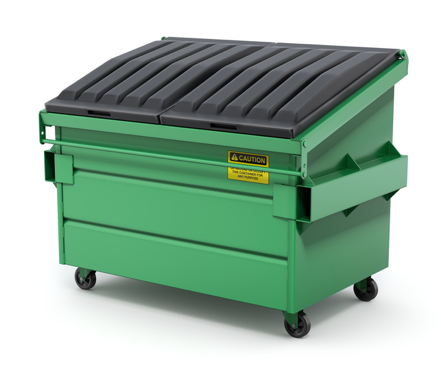
A thorough evaluation of the contract can aid you recognize potential challenges and ensure you're getting the most effective bargain possible.
Some usual covert costs to keep an eye out for include:
- Fuel surcharges: Some dumpster rental firms might bill additional for fuel prices associated with delivering and picking up the dumpster. Overweight fees: If the dumpster surpasses the weight limitation specified in the rental agreement, you might be billed added fees. Extension fees: If you need to maintain the dumpster longer than initially set, you might sustain additional fees for each and every day beyond the initial rental period.
Planning for Reliable Waste Disposal
Properly planning for waste disposal is pivotal to ensuring a smooth and affordable dumpster rental experience
It's necessary to recognize the type and amount of waste produced during your job, as this will assist figure out the right dumpster size and rental period. Take into consideration the materials you'll https://piedmonttriaddumpsters.com/contact/ be throwing away, such as construction debris, home things, or yard waste, and approximate the quantity of waste accordingly. This information will allow you to pick one of the most appropriate dumpster size, staying clear of unnecessary costs associated with renting a dumpster that's as well large or as well small.
Additionally, planning for reliable waste disposal involves marking a convenient and accessible location for the dumpster on your website. Validate the area is clear of obstacles, permitting easy loading and discharging of waste.
You ought to likewise develop a waste partition plan to separate recyclable materials from non-recyclable waste, promoting ecologically responsible practices.